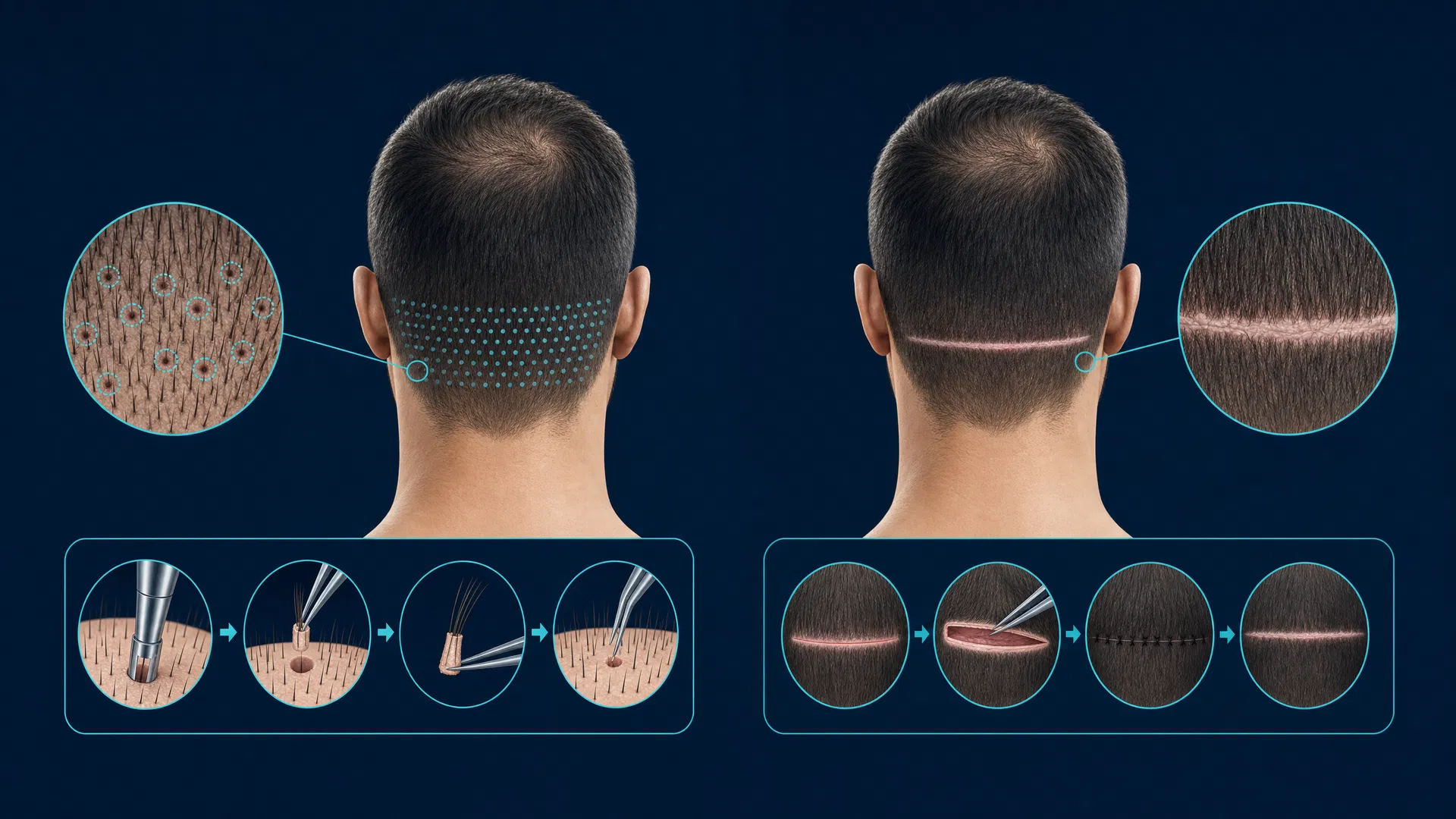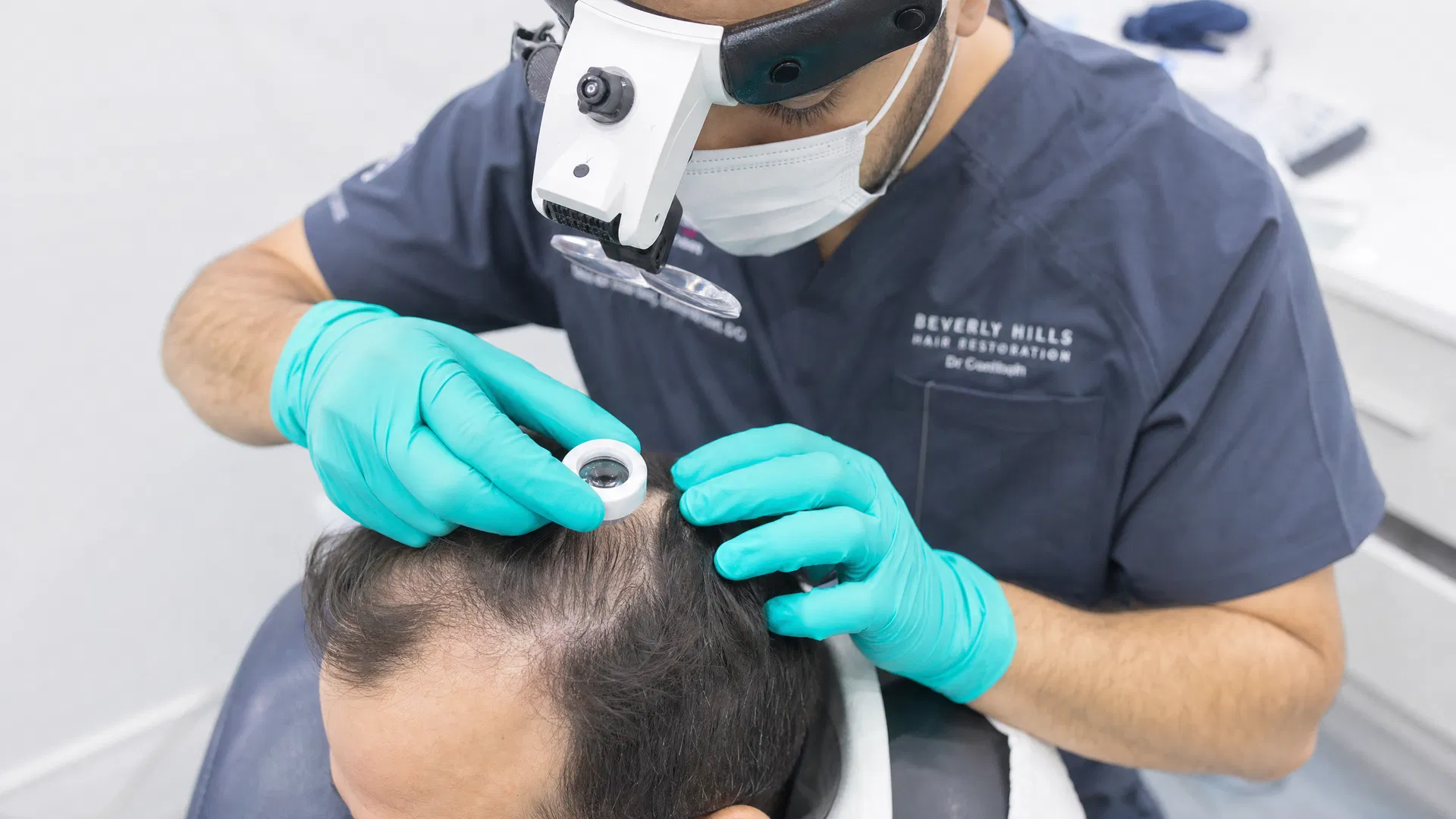
FUE Hair Transplant
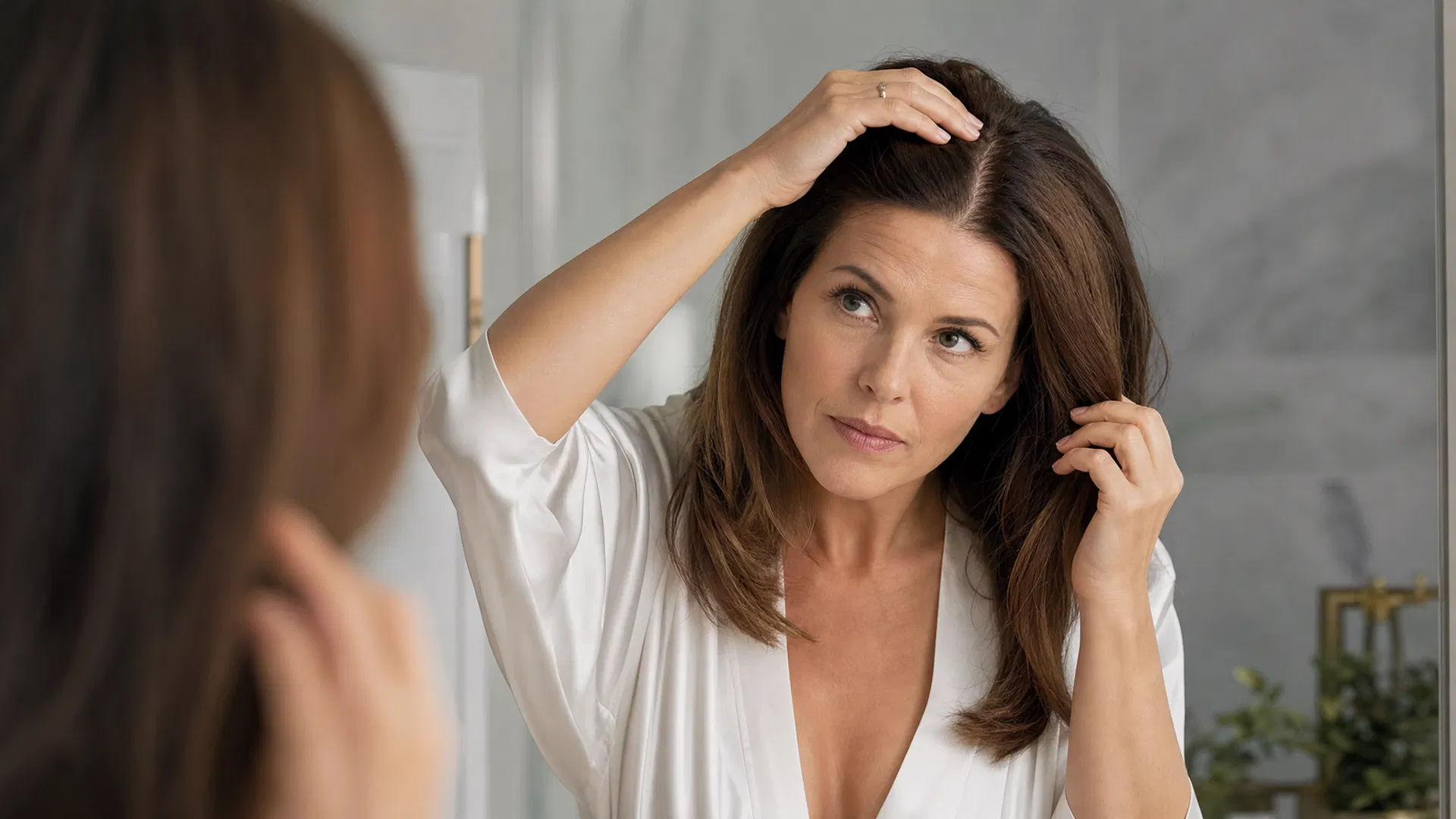
Hair loss affects millions of women — but it's rarely talked about. From hormonal changes to genetics, here's what causes female hair loss and what you can actually do about it.
Hair loss is often framed as a men's issue — but the reality is that female hair loss is remarkably common. According to the American Academy of Dermatology, more than 50% of women will experience noticeable hair loss at some point in their lives. Yet it remains one of the most under-discussed topics in women's health.
At ReGrow Medical, we treat a significant number of female patients — and we understand that hair loss can be particularly distressing for women, given the social and emotional weight society places on women's hair. This guide covers the main causes of hair loss in women, which treatments are evidence-based, and when a female hair transplant may be the right solution.
The most common cause of hair loss in women is female pattern hair loss (FPHL), also called androgenetic alopecia. Unlike male pattern baldness — which typically creates a receding hairline and bald patches — FPHL in women usually presents as a diffuse thinning across the crown, with the hairline remaining relatively intact.
FPHL is driven by a combination of genetics and hormones (specifically, sensitivity to androgens). It can begin as early as the 20s, but most women notice it in their 40s, 50s, or after menopause.
Hormonal fluctuations are a major driver of female hair loss. Common triggers include:
Iron deficiency is one of the most overlooked causes of hair loss in women. Low ferritin (stored iron) can cause significant shedding even when hemoglobin levels appear normal. Deficiencies in vitamin D, zinc, and biotin can also contribute to hair thinning.
Telogen effluvium is a form of temporary hair loss triggered by physical or emotional stress — illness, surgery, crash dieting, or a major life event. Hair typically sheds 2–4 months after the triggering event and usually regrows on its own within 6–12 months.
Chronic tension from tight hairstyles — braids, weaves, ponytails, extensions — can damage follicles over time, leading to traction alopecia. If caught early, the damage is reversible. If follicles are permanently scarred, a hair transplant may be needed to restore the hairline.
Minoxidil is the only FDA-approved topical treatment for female hair loss. Applied directly to the scalp, it prolongs the growth phase of hair follicles and can slow shedding and stimulate modest regrowth. It works best for early-stage FPHL and requires consistent, long-term use.
PRP involves injecting concentrated growth factors from your own blood into the scalp to stimulate follicle activity. It's a popular non-surgical option with a growing body of evidence supporting its effectiveness for FPHL and other forms of hair thinning.
If deficiencies are contributing to your hair loss, correcting them — through diet or supplementation — can produce meaningful improvement. A blood panel to check ferritin, vitamin D, thyroid function, and zinc is a sensible first step for any woman experiencing hair loss.
For women with stable hair loss, adequate donor density, and realistic expectations, a FUE hair transplant can produce transformative results. Female hair transplants are particularly effective for:
Women with diffuse FPHL across the entire scalp are generally not ideal candidates for transplant, because the donor area may also be affected. A thorough consultation is essential to determine candidacy.
If you're losing more than 100–150 hairs per day, noticing a widening part, or seeing your scalp through your hair, it's time to consult a hair restoration specialist. The earlier you address hair loss, the more options you have — and the better your results will be.
At ReGrow Medical, we offer free consultations for women experiencing hair loss. Our team will assess your hair loss pattern, review your medical history, and recommend the most appropriate treatment — whether that's medical management, PRP, or a surgical solution.
Book your free consultation today and take the first step toward understanding — and addressing — your hair loss.
Get a personalized assessment from our expert team — completely free.